



Trading Basics · Beginner · 8 min read
What is swap in forex: how overnight rollover charges work
The overnight cost of holding a currency pair
Any trader who keeps a leveraged currency position open past the broker's daily rollover window will see a small interest adjustment land on the account, and that adjustment is what the industry calls a forex swap. Several moving parts feed into the figure, including the interest rate gap between the two currencies in the pair, the size of the position and the spot rate on the night in question. When the currency you are effectively borrowing happens to pay a higher yield than the one you are effectively holding, the balance works against the account; the opposite configuration produces a credit on the trader's side.
Swaps deserve attention because they quietly reshape the economics of any trade held longer than a day. A position closed before the rollover cutoff pays nothing at all, while a trade kept open for several weeks can accumulate charges large enough to erode the profit you were targeting in the first place. The industry uses the word rollover because the broker is in effect rolling your spot position forward to the next value date each night, and the interest adjustment is the price of that daily roll.
Where you trade shapes the economics as much as the strategy itself, so it is worth reviewing the best forex brokers and their conditions before committing.
How swap rates are calculated and applied
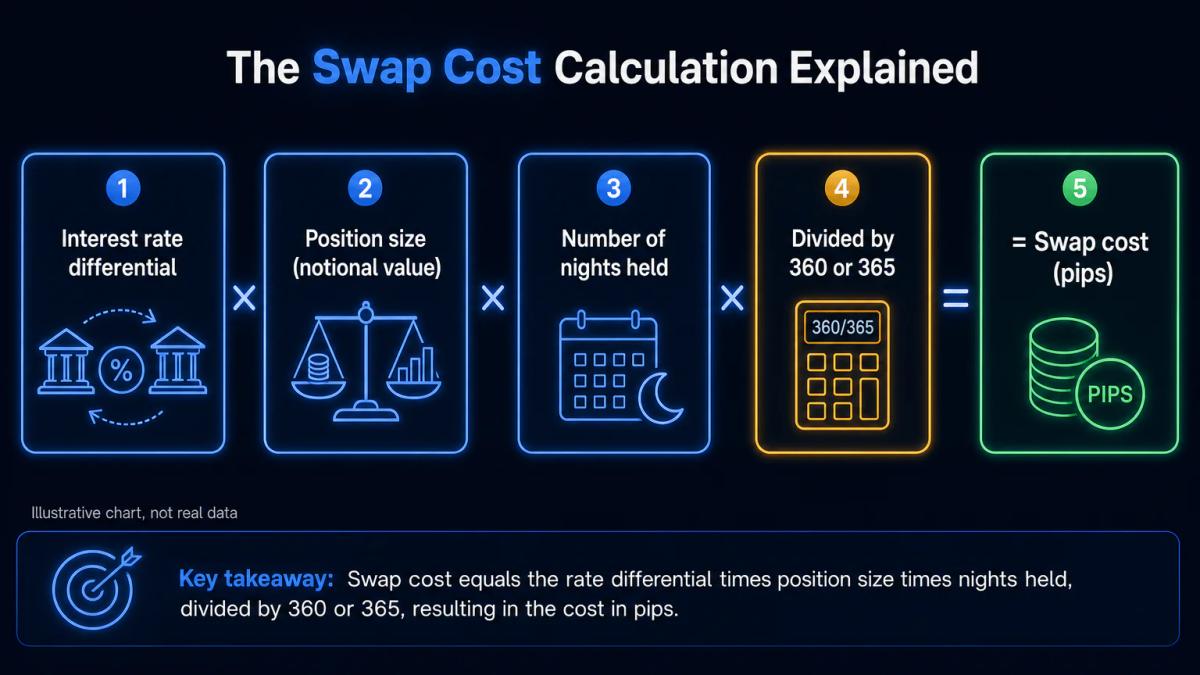
Swap calculation rests on three inputs: the interest rate differential between the two currencies in the pair, the notional value of your position, and the number of nights you keep it open. A simplified version of the formula brokers apply looks like this:
(Interest rate differential / 360 or 365) × position size × price, expressed in the quote currency and then converted into your account currency.
Running that calculation by hand is something most traders will happily avoid, since the broker already publishes a swap value in points (or pips, where one pip is the smallest standard price increment of the pair) for long and for short positions, and the platform then applies it automatically at the daily cutoff, which typically falls at 5 pm New York time.
Imagine that you hold one standard lot of EUR/USD, which represents 100,000 units of the base currency. Should the broker quote a swap of minus 0.5 pips per night on the long side, and given that one pip on a standard lot of EUR/USD is worth around $10, the position would be charged roughly $5 for each night it stays open. On the short side the quote could come out positive, negative, or close to zero, depending on the differential that day.
Dividing by 360 or 365 reflects money-market practice, since most currencies use a 360-day year for interest accrual, with a few (the pound sterling among them) using 365 instead. That detail stays invisible to you in daily use, yet it explains why swap values on GBP pairs tend to look slightly out of step with equivalent EUR or USD pairs.
Positive and negative swaps: when you pay or earn
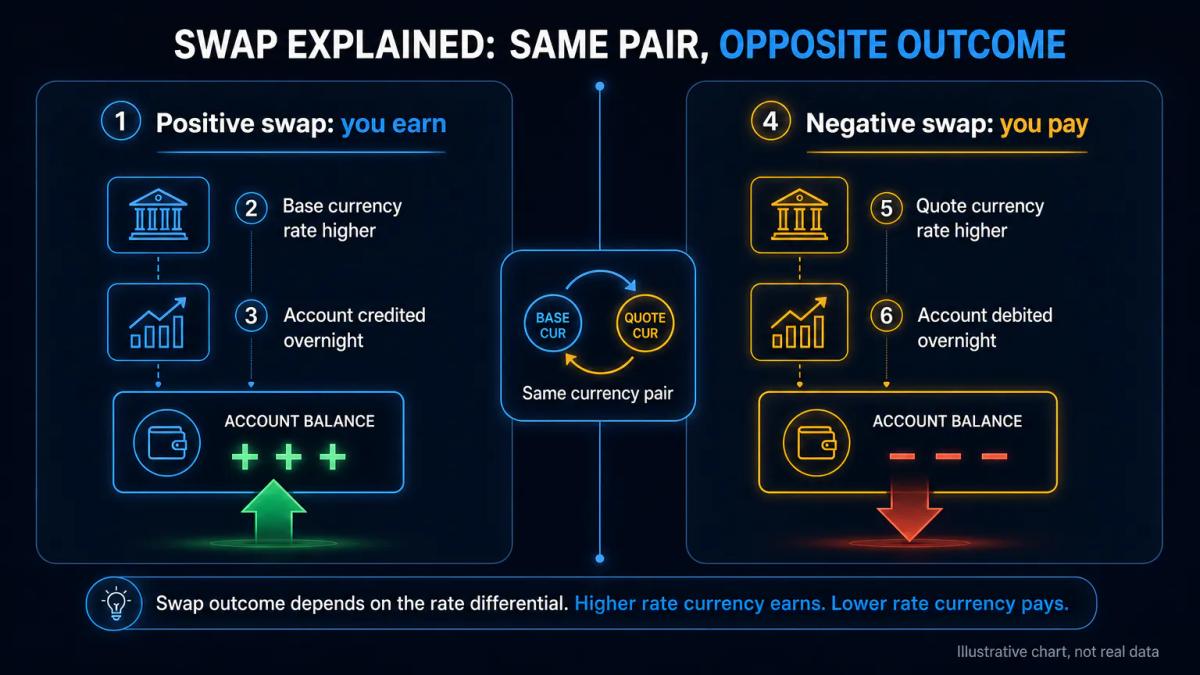
A positive swap means the broker credits your account overnight, while a negative swap means the account is debited at the same moment. Which direction applies on a given night follows from the interest rate differential between the two currencies in the pair. Going long a pair whose base currency carries a higher policy rate than the quote currency tends to earn a credit over time, while going short that same pair tends to produce a charge, and once the differential itself reverses the signs follow it in the same direction.
Consider a pair where the base currency pays a central-bank rate of 5% while the quote currency pays 1%: a long position would earn a credit roughly proportional to the 4-point gap, and a short position would pay it. Central-bank cycles redraw these gaps over time, so a hiking cycle in one currency combined with a cutting cycle in the other can turn a long-standing positive swap into a negative one within months. Any static table of forex rollover figures therefore tends to give a misleading snapshot of the market, since swap values are quoted on a daily basis and the exact figures shift from one broker to another.
On Wednesdays, most brokers apply a triple swap to positions open at the rollover cutoff. You are charged or credited three nights of interest in one go, to cover the weekend when the spot market does not settle. The convention exists because a spot forex trade settles two business days forward: a Wednesday roll pushes value date to Monday, picking up Saturday and Sunday together.
A minority of brokers apply the triple swap on Friday rather than Wednesday, and a very small number spread the weekend across other days of the week. Checking the contract specification for each pair on your platform before assuming which night is the heavy one is the safest habit here.
Swap impact on your trading costs and strategy
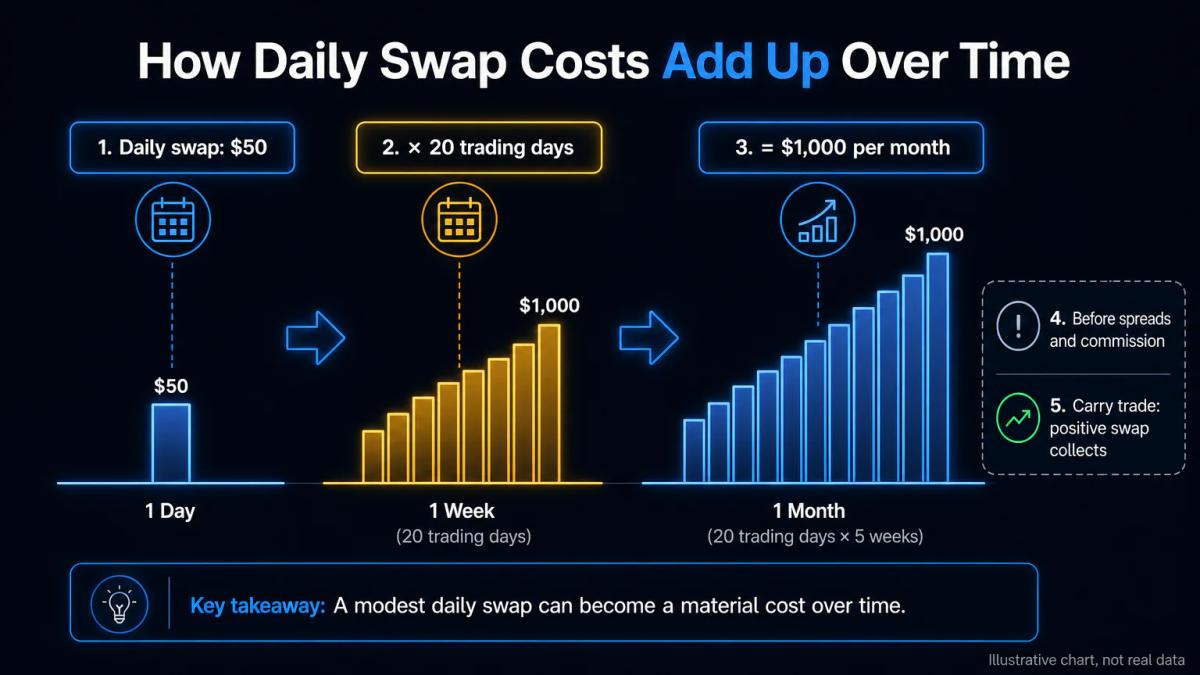
Swaps reshape the economics of any trade longer than a day, and the longer you hold a position the more they weigh on the result. Picture a negative swap of 5 pips per night on a standard lot of a major pair: at roughly $10 per pip, the charge would work out to about $50 a day, which approaches $1,000 over a month before you count spreads or commissions. A positive swap of the same magnitude would push the needle in the opposite direction, and that is the mechanic behind the carry trade, in which a trader holds a high-yielding currency against a low-yielding one to collect the differential.
Different trading styles react to swap in different ways:
- Scalpers and intraday traders close before the rollover cutoff and pay nothing in swap.
- Swing traders holding for days to weeks need to price the swap into the target: a trade that looks like a 100-pip winner can net 70 after four weeks of negative carry.
- Position traders holding for months must choose pairs where the swap sign is on their side, or accept the cost as a known tax on the trade.
Muslim traders who follow sharia principles (which forbid receiving or paying interest) can request a swap-free islamic account, where the broker replaces the overnight interest adjustment with a flat administrative fee or waives it on positions held for a defined window. The exact terms vary quite a bit between brokers, with some capping the swap-free period at a few nights before charging the fee and others applying it indefinitely to a defined list of pairs. Reading the policy in full before relying on it for a long-term hold is the sensible move.
Swap rates vary across brokers and platforms
Swap rates sit outside any shared standard, so for the same pair, on the same night, two brokers can publish materially different values. The underlying money-market rates are common across the industry, yet each broker layers on its own funding cost, risk buffer and margin, so the headline you see on your platform reflects the broker's price for carrying your position rather than a pure interbank figure.
Where the swap value is displayed depends on the platform you are working from:
- On MT4 and MT5, right-click the pair in Market Watch, choose Specification and scroll to Swap long and Swap short. The unit (points, pips, currency per lot) is shown next to the number.
- On cTrader, open the Symbol details panel from the symbol list and read the swap long and short lines.
- On TradingView-connected brokers, the swap values typically appear in the instrument info panel or in the broker's own portal, with the chart itself showing price only.
Before picking a broker for pairs you intend to hold overnight, pull the swap long and swap short values for your three or four most-traded pairs on each candidate platform and compare them side by side. Once the nights add up, a tight spread paired with a punitive swap can prove more expensive overall than a wider spread paired with a fair swap, which is the sort of trade-off that only reveals itself when you look at the full picture.
Tax and accounting treatment of swap charges
The information in this section is general and educational: tax treatment depends on your jurisdiction and personal circumstances, and you should confirm your position with a qualified tax professional in your country before filing.
In most jurisdictions, swap credits and debits are treated as part of your trading result, since they are generated inside a derivative position rather than through a conventional deposit or loan arrangement. In the UK, HMRC draws a line between two situations:
- Trading in a personal capacity: gains and losses on CFDs typically fall under capital gains, with swaps absorbed into the overall P&L of each position.
- Trading as a business or a professional: income tax rules apply and swaps enter the trading account as expenses or income.
Classification turns on frequency, organisation and intent taken together, and trading volume on its own is rarely enough to settle the question.
The practical hygiene looks the same across jurisdictions: keep every broker statement, export monthly swap totals alongside realised P&L, and reconcile them against your trading journal. Should an auditor or tax adviser later ask why your reported trading result differs from the sum of your closed trades, the swap line is usually the explanation, and a clean record will answer the question in a single step.
Keeping swap in your trade plan
Swap is a published number on every platform and it follows a straightforward rule tied to the interest rate differential between the two currencies in the pair, which means it belongs in the trade plan from the start:
- Check the swap long and swap short on the pair before entry.
- Estimate the cost or credit over the holding window you have in mind.
- Compare it against the expected move.
If the number shifts the risk-reward enough to be material, consider adjusting one of the following:
- the trade
- the pair
- the holding period
To see these conditions applied by a regulated broker, read our Admirals review.
This article is general information only and is not legal, tax or financial advice. Rules differ by country and your own situation matters, so confirm anything you plan to act on with a licensed professional in the relevant jurisdiction.
Frequently Asked Questions
How is a forex swap calculated and what does it cost per day?
The broker takes the interest rate differential between the two currencies, divides by 360 or 365 depending on the currency, and multiplies by the notional size of your position. The result is quoted in points per lot per night and applied at the daily rollover. On a standard lot of a major pair, a swap of 0.5 pips per night works out at roughly $5 a day; a swap of 5 pips at roughly $50.
Why do I pay a swap on some currency pairs and earn on others?
The sign depends on which currency in the pair carries the higher central-bank rate and on whether you are long or short. Going long a pair where the base currency pays more interest than the quote currency tends to generate a credit over time, and reversing either of those variables tends to generate a charge. When central banks change policy, those relationships shift and the swap sign on a given pair can flip within a matter of weeks or months.
What is a triple swap and when does it apply?
A triple swap is three nights of interest charged or credited in one go, to cover the weekend when spot forex does not settle. Most brokers apply it on Wednesday, because a Wednesday roll pushes the value date to Monday and skips Saturday and Sunday. A minority apply it on Friday. Check the contract specification for each pair on your platform to confirm which night it falls on.
Can I avoid paying swaps in forex trading?
Two main approaches tend to work. One is closing every position before the daily rollover cutoff, which is standard practice for scalpers and intraday traders. The other is opening a swap-free (Islamic) account, where the broker replaces the interest adjustment with a flat administrative fee or waives it for a defined period. Choosing pairs where the swap works in your favour is a related tactic, since it converts the cost into a credit while the carry itself continues to apply.
Do swap rates differ between brokers and how do I compare them?
Swap rates differ materially between brokers because each applies its own funding cost and margin on top of the underlying money-market rates. On MT4 and MT5 you can right-click the pair, open Specification and read Swap long and Swap short; on cTrader the symbol details panel shows the equivalent values. Pulling the numbers for the pairs you trade most and comparing them side by side with the spread makes the overall cost of carrying a position visible before you commit.
About the authors


Put this into practice
Brokers we have reviewed
Scored on the same five dimensions. Here are three of them — the full list is on the brokers page.



Related articles
How Much Do Forex Traders Actually Make? A Realistic Income Breakdown
A realistic, data-grounded breakdown of forex trader income across four trader types, from part-time retail to institutional, including what account size actually means for your earnings.
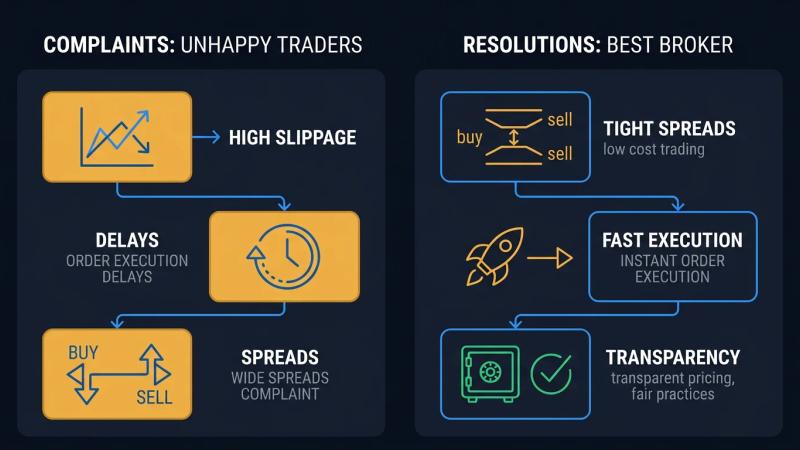
Which Forex Brokers Have the Most Complaints? What Regulatory Records Actually Show
Learn how to check forex broker complaint records across FCA, ASIC, NFA, and CySEC databases; and what those records actually tell you before you open an account.
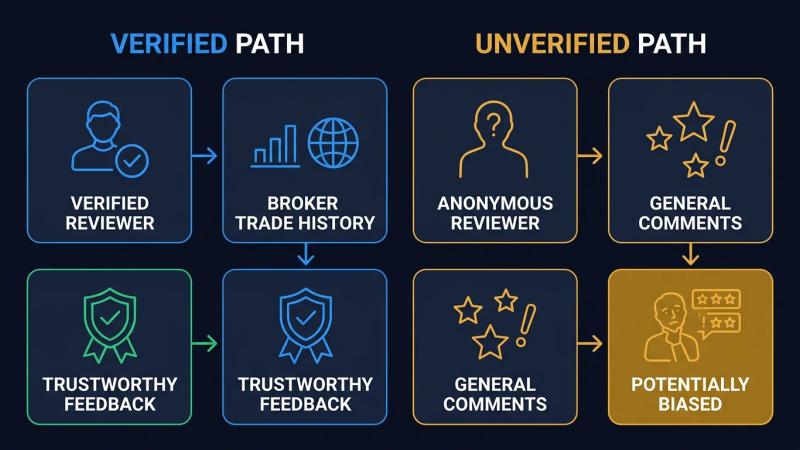
Verified vs Unverified Forex Broker Reviews: What the Difference Actually Means
What "verified" actually means on broker review platforms, how to spot fake review campaigns, and how to build a credibility framework that surfaces genuine signal before you open an account.
0 comments