



CFD Trading · Beginner · 4 min read
Forex Spread Explained: What It Costs You on Every Trade
The smallest price gap between buy and sell
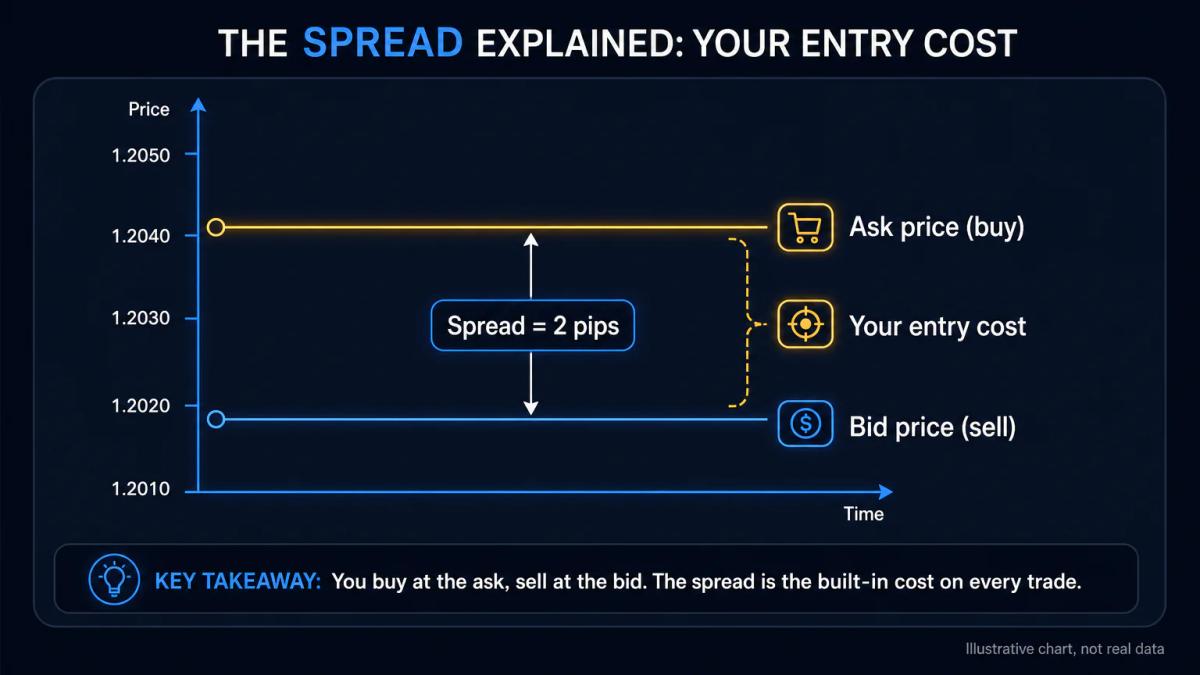
In forex, every quote comes with two prices: the bid, which is where you can sell a currency pair, and the ask, which is where you can buy it. The gap between those two prices is the spread, and it is measured in pips, with a pip being the standard unit of price movement in forex (typically the fourth decimal place of a quote). Because most brokers earn from that gap rather than a separate commission, it becomes the very first cost you pay to open a position. Understanding what is liquidity in trading also helps explain why the gap moves around: on a major pair like EUR/USD, forex spreads typically sit between 0.5 and 3 pips during the London and New York overlap, and tend to widen outside those windows when fewer participants are quoting.
Where you trade shapes your costs as much as the strategy you run, so it is worth reviewing the best forex brokers and the conditions they offer before committing capital.
How to calculate your spread cost in pounds or dollars
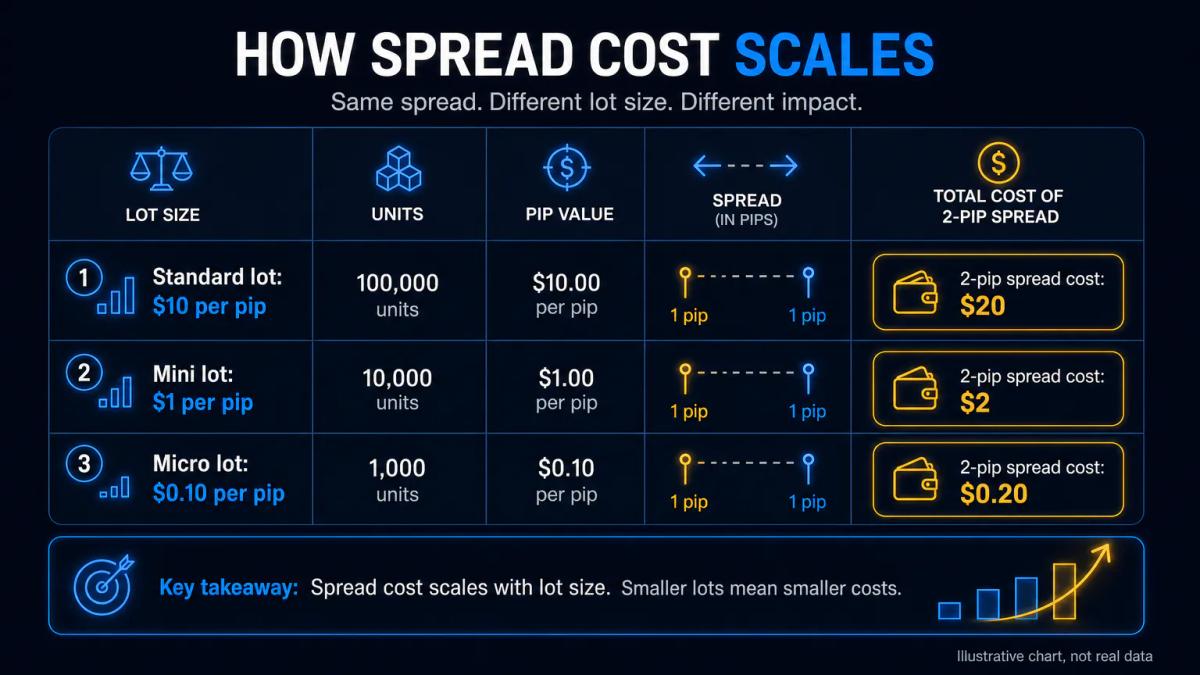
To turn a spread from pips into money, you multiply the spread width by the pip value of your position size. Position size in forex is quoted in lots, and the three standard sizes work like this:
- Standard lot: 100,000 units of the base currency, with a pip on EUR/USD worth about $10.
- Mini lot: 10,000 units, with a pip worth about $1.
- Micro lot: 1,000 units, with a pip worth about $0.10.
For example, a 2-pip spread on EUR/USD costs about $20 on a standard lot, $2 on a mini lot and $0.20 on a micro lot, before any commission the broker may add on top.
| Lot size | Units | Pip value (EUR/USD) | Cost of a 2-pip spread |
|---|---|---|---|
| Standard | 100,000 | $10.00 | $20.00 |
| Mini | 10,000 | $1.00 | $2.00 |
| Micro | 1,000 | $0.10 | $0.20 |
When your account is denominated in pounds, the broker converts that USD cost at the prevailing GBP/USD rate before debiting your balance, so the figure that lands on your statement will vary slightly from day to day.
Fixed spreads versus variable spreads
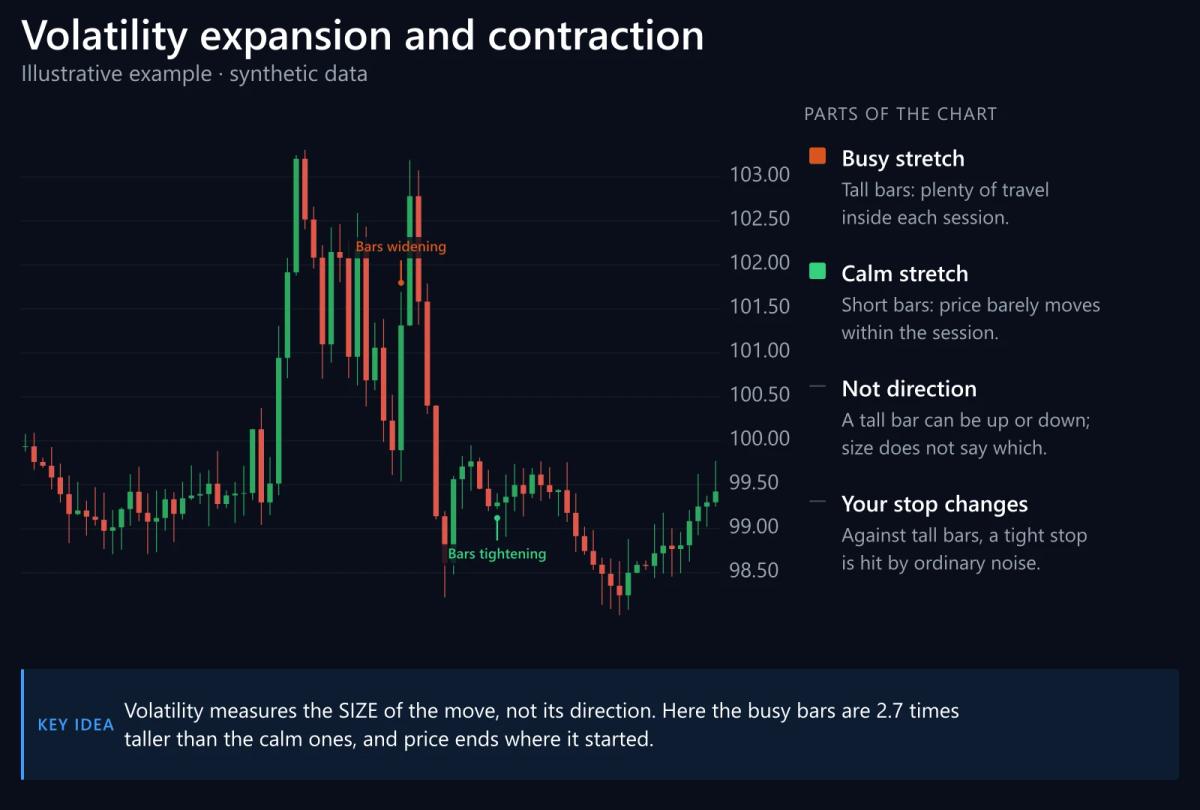
Fixed spreads stay constant regardless of what the market is doing, while variable spreads (also called floating spreads) move with liquidity and volatility. The appeal of a fixed spread is predictability, which can be useful when you are new and want to know your cost before clicking buy, though the trade-off is that fixed pricing tends to run wider on average because the broker has to price in the risk of volatile moments. Variable forex spreads behave differently across the session: they often sit below 1 pip on EUR/USD during calm hours, and they can spike to 10 pips or more around a central bank decision.
When choosing a broker, it is worth using a tool like compare forex brokers to see which spread model fits your style, and under FCA conduct rules UK-authorised brokers must disclose which model they use and publish typical and maximum spread figures on their cost pages.
What moves spreads: liquidity and volatility
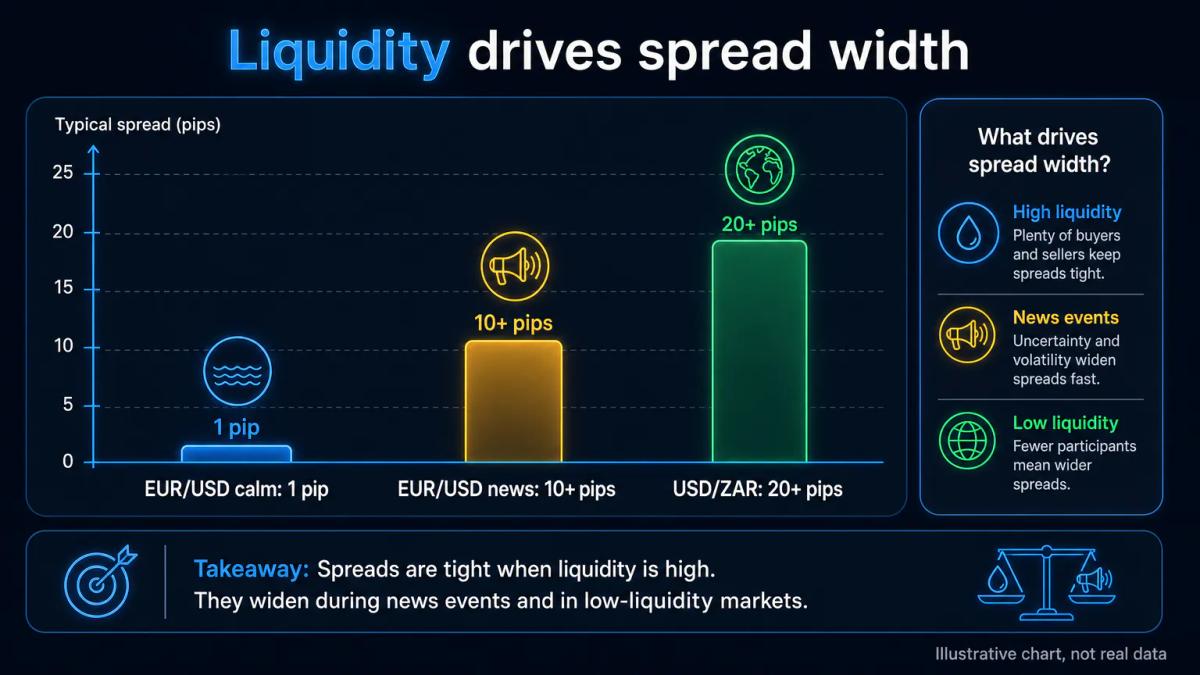
Spreads widen whenever liquidity thins out or volatility jumps. Major pairs stay tight because banks, funds and retail traders quote them around the clock, whereas exotic pairs like USD/ZAR or USD/TRY carry wider spreads because fewer participants are competing to fill orders. There are also predictable pockets in the trading day when spreads tend to blow out, including:
- The daily rollover window around 22:00 London time, a well-known low-liquidity pocket.
- Non-farm payrolls on the first Friday of the month, when the release can move majors sharply.
- Inflation prints such as US CPI, which routinely triple spreads even on EUR/USD in the minutes around release.
- Central bank meetings including Bank of England and Federal Reserve rate decisions.
Spread as your primary trading cost
Every time you open a trade, you pay the forex trading spread immediately, which shows up as a small loss on the ticket before the market moves a single tick. Take a £1,000 account trading a micro lot on EUR/USD with a 2-pip spread: the cost of a single entry is only £0.20, which feels harmless, but running forty trades in a week turns that into £8 straight out of the account before any market outcome. Scalpers, who typically target 5 to 10 pips per trade, feel this cost the hardest and tend to concentrate their activity on the tightest majors during peak hours.
Reading through types of trading explained helps show why scalpers and swing traders experience the same spread very differently, as swing and position traders who hold for days or weeks tend to be more affected by the swap (the overnight financing charge) than by the cost of getting in.
FCA COBS 6.1ZA: UK-authorised firms must give retail clients clear, upfront information on all costs and charges associated with a financial instrument, including spread as a transaction cost.
Frequently Asked Questions
Is a 2-pip spread good or bad for forex trading?
It depends on the pair, the time of day and your holding period. For a major such as EUR/USD, 2 pips sits on the wide side during the London and New York overlap, where typical quotes range from 0.5 to 1.5 pips, whereas for a minor like GBP/NZD the same 2 pips would be competitive. A swing trader holding a position for several days will barely register the cost, while a scalper aiming for a 5-pip move would give up around 40% of the target simply on entry.
Why do spreads widen during news events and market opens?
Liquidity providers pull their quotes whenever they cannot price risk accurately. Around a scheduled release, banks widen their own quotes to protect themselves against sudden moves, and your broker layers a wider retail spread on top of that. The Asian open and the Friday close are similar low-liquidity windows to watch. If you enter a trade during one of these moments, the effective cost of getting in can be several times larger than the broker's advertised typical spread.
Can you trade with zero spread or negative spread?
Some brokers do offer raw or zero-spread accounts where the interbank spread is passed straight through, occasionally touching 0 pips on EUR/USD, though in exchange you pay a fixed commission per lot that usually brings the total cost close to a standard spread account. Negative spreads can appear momentarily on ECN feeds during liquidity mismatches, when the best bid briefly sits above the best ask, but no retail broker offers them as a standing price you can rely on.
How do spreads on MT4 and MT5 differ between brokers?
The platform itself does not set the spread, since the broker does. MT4 and MT5 simply display the bid and ask prices sent through by the broker's liquidity setup, which explains why two brokers offering MT5 can show very different EUR/USD quotes: they aggregate different liquidity providers and apply their own mark-up. When comparing, look at the typical and maximum spread figures each broker publishes rather than assuming the platform logo tells you anything about pricing.
About the authors


Put this into practice
Related articles

How Many Day Traders Are Successful? What the Data Shows
A clear, evidence-based look at how many day traders actually make money, how long they last, and the habits that separate survivors from the majority who quit.

How to Choose the Best CFD Brokers
Learn how to choose the best CFD brokers with this step-by-step guide covering regulation, fees, platforms, and key red flags to avoid.
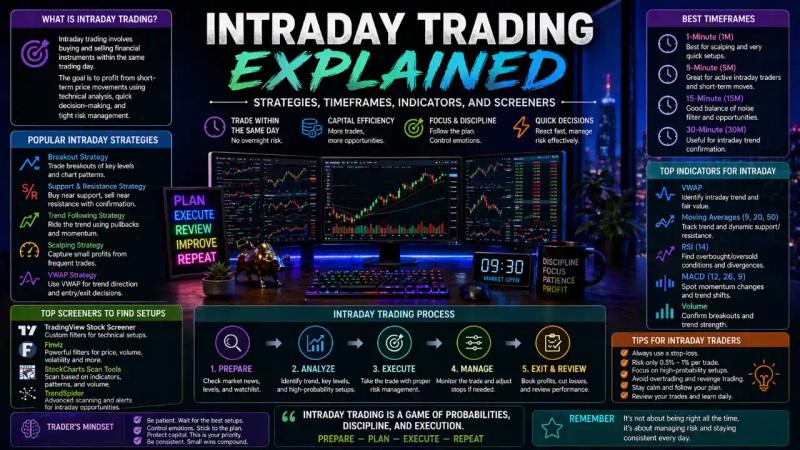
Intraday Trading Guide: Strategies, Timeframes, Indicators, and Screeners
Intraday trading guide: Learn how intraday trading works with proven strategies, the best timeframes and indicators, and top screeners to find setups.
0 comments