



CFD Trading · Beginner · 3 min read
How Many Day Traders Are Successful? What the Data Shows
The actual success rate among day traders
Only 10 to 15 percent of day traders achieve consistent profitability. The rest lose money or quit within the first year.
This estimate aligns with academic studies of retail brokerage data, including work by Barber, Lee, Liu and Odean on Taiwanese day traders, which found only a small minority earned profits after costs.
According to the FCA, most retail investor accounts lose money when trading CFDs (contracts for difference, leveraged agreements that track an underlying price without owning the asset). Day trading (opening and closing positions within the same session) magnifies those losses because frequency multiplies spreads, commissions and slippage.
If you still need a broker, our guide to the best forex brokers compares the regulated options side by side.
Why most day traders fail within months
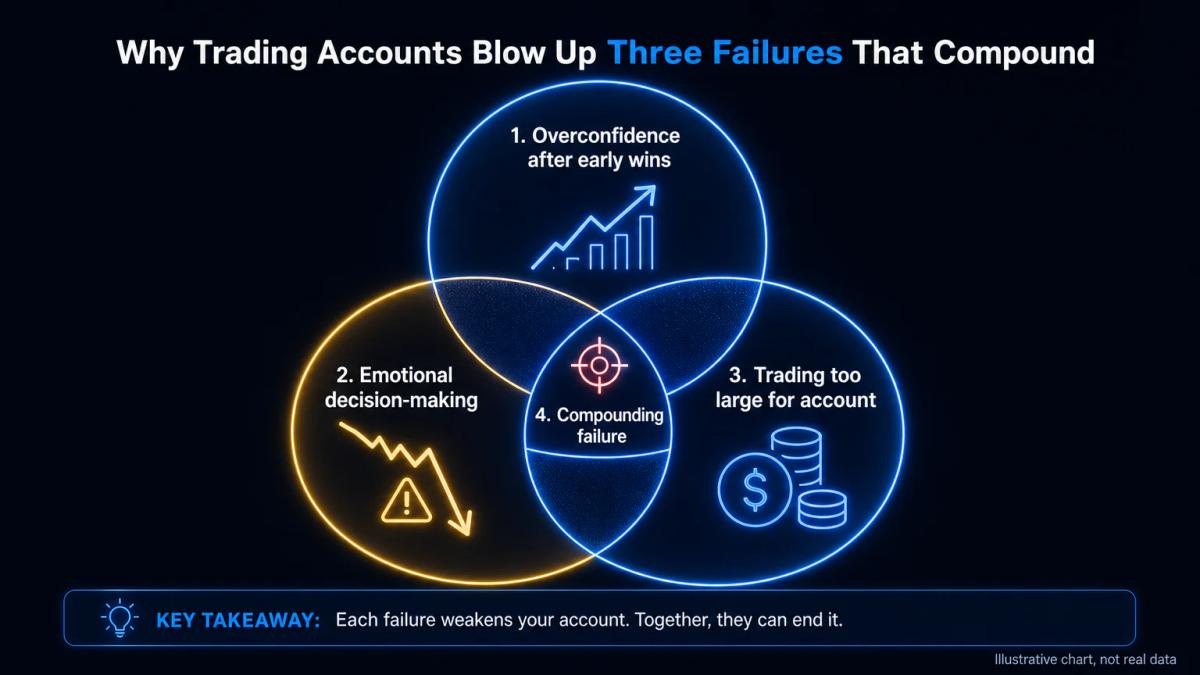
You fail primarily because you lack a tested strategy, trade too large relative to your account, and let emotions override your plan when losses mount.
Overconfidence after early wins, combined with the cost of spreads (the gap between the buy and sell price) and commissions, erodes capital faster than most beginners anticipate.
The pattern holds across jurisdictions. According to a study by Chague, De-Losso and Giovannetti published by the Brazilian Securities Commission (CVM), only 3% of individuals who day traded equity futures for more than 300 sessions made more than the Brazilian minimum wage, and 97% lost money.
Undercapitalisation is structural: a $2,000 account risking 1% per trade cannot absorb a normal losing streak while also covering platform and data fees.
Attrition: how long do day traders last
Approximately 40 percent of day traders quit within the first month; by the end of year one, roughly 90 percent have stopped.
Those who survive past three years typically have either found a profitable edge or shifted to longer timeframes like swing trading (holding positions for several days to weeks).
The Chague et al. CVM study reinforces the pattern: persistence in day trading rarely leads to profitability, and most participants who continue simply extend the period over which they lose money rather than closing the gap.
Day trading versus swing trading: which is easier
Swing trading has a higher success rate than day trading because it requires fewer trades, reduces emotional decision-making, and allows you to hold positions through overnight moves.
Day trading demands constant screen time and rapid execution, which amplifies both stress and the cost of mistakes.
Swing setups also give room for wider stops and clearer technical signals on the daily chart, so trade frequency and transaction costs both fall.
Risk management and stop-loss discipline
Surviving day traders use strict stop-loss rules (a preset exit price that caps the loss on a trade), typically risking no more than 1 to 2 percent of their account per trade.
You skip or move your stops after entry at your peril: traders who do are statistically more likely to blow their account within months.
Position sizing and leverage discipline matter more than entry precision: a 1% risk cap means a run of 10 consecutive losses drains roughly 10% of the account, which is recoverable. Removing the stop turns a normal drawdown into an account-ending event.
[SEC Investor.gov, Schock]: Most retail investor accounts lose money when trading CFDs, and the regulator requires brokers to display this warning prominently.
Frequently Asked Questions
What percentage of day traders are successful?
Peer-reviewed studies of retail brokerage data suggest roughly 10 to 15 percent of day traders are consistently profitable. Research by Chague, De-Losso and Giovannetti for the Brazilian CVM found that among people who day traded equity futures for more than 300 sessions, only 3 percent earned above the local minimum wage.
How hard is day trading compared to other forms of trading?
Day trading is harder than swing or position trading because it requires faster decisions, tighter risk control and higher transaction volume. More trades mean more spreads and commissions, so a marginal edge disappears quickly. Longer timeframes give the trader time to reason and reduce the impact of costs on each position.
Why do most day traders fail?
The most common causes are undercapitalisation, no tested strategy, oversized positions and emotional exits. Traders often move stops after entry, chase losses, or increase size after a winning streak. The FCA notes that most retail CFD accounts lose money, and day trading amplifies those losses through frequency.
Can you make a living from day trading?
It is possible but statistically rare. A trader needs enough capital that a 1 percent per-trade risk produces meaningful profit, a documented edge, and the discipline to keep costs low. Most people who attempt to live off day trading either supplement with other income or move to longer timeframes.
What are safer alternatives to day trading?
Swing trading, position trading and long-term investing in diversified index funds all show better retail outcomes than day trading. They involve fewer trades, lower transaction costs and less emotional strain. For traders who want short-term exposure, paper trading (simulated trades with no real money) is a lower-risk way to test a strategy first.
About the authors


Put this into practice
Brokers we have reviewed
Scored on the same five dimensions. Here are three of them — the full list is on the brokers page.



Related articles

How to Choose the Best CFD Brokers
Learn how to choose the best CFD brokers with this step-by-step guide covering regulation, fees, platforms, and key red flags to avoid.
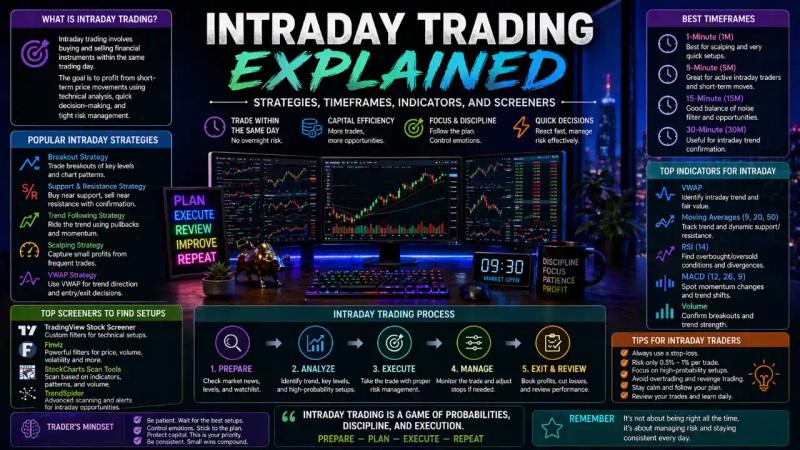
Intraday Trading Guide: Strategies, Timeframes, Indicators, and Screeners
Intraday trading guide: Learn how intraday trading works with proven strategies, the best timeframes and indicators, and top screeners to find setups.
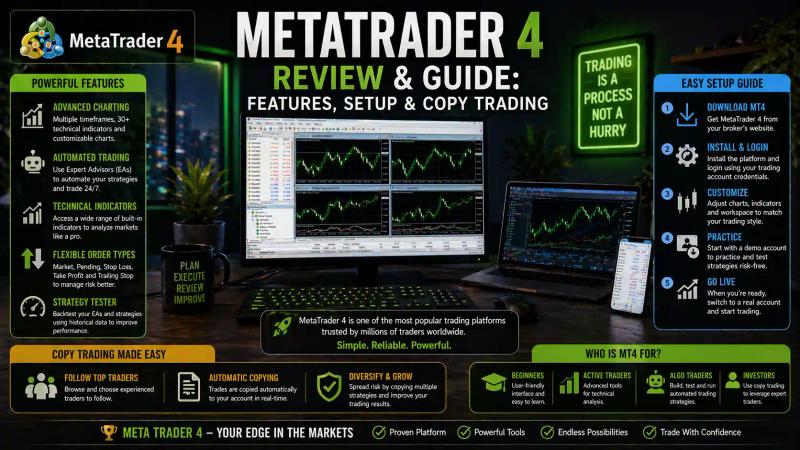
MetaTrader 4 Review and Guide: Features, Setup & Copy Trading
MetaTrader 4 review and guide covering features, setup, copy trading, and EAs. Learn how to download, configure, and use MT4 for forex and CFD trading.
0 comments